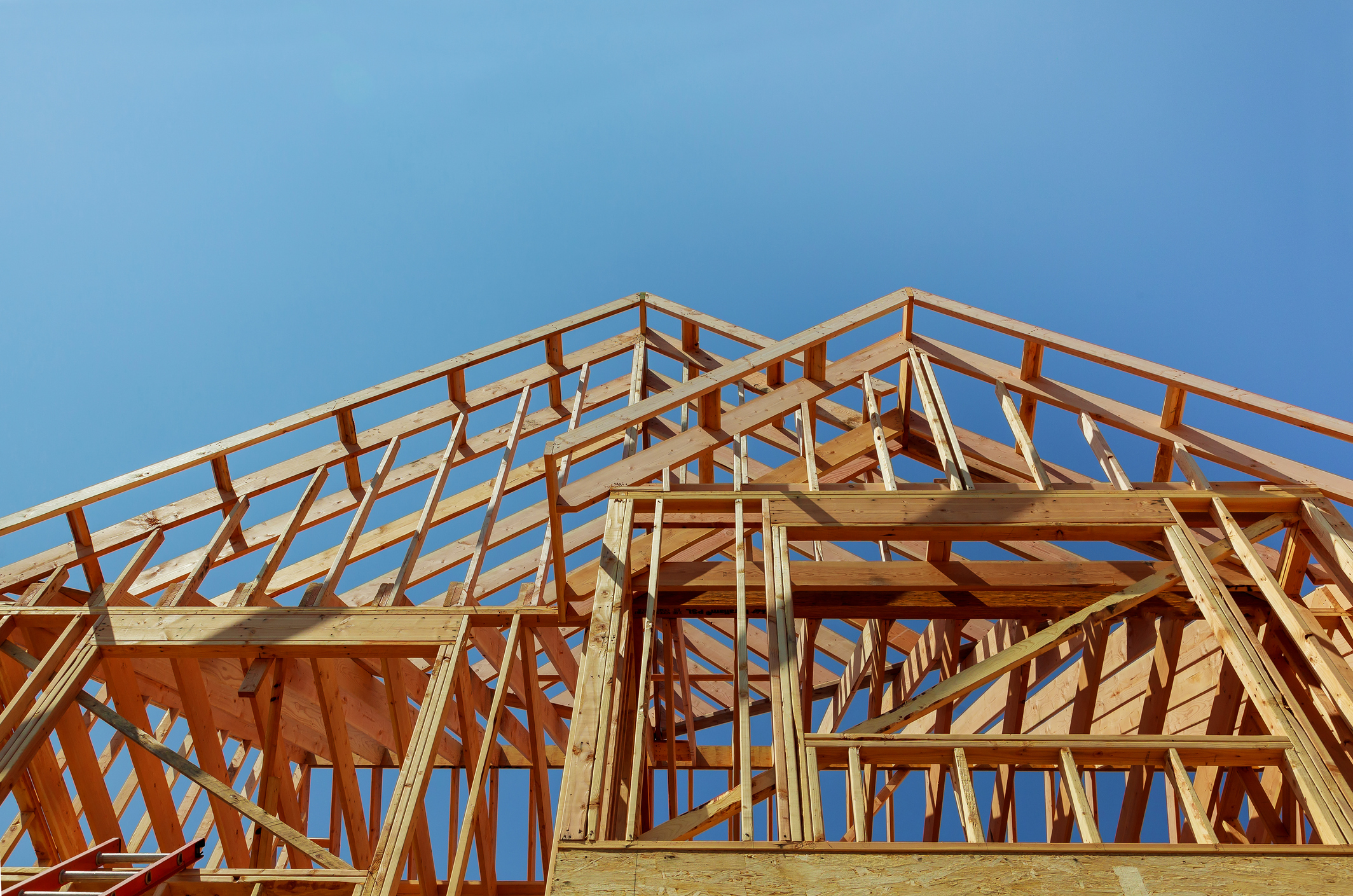
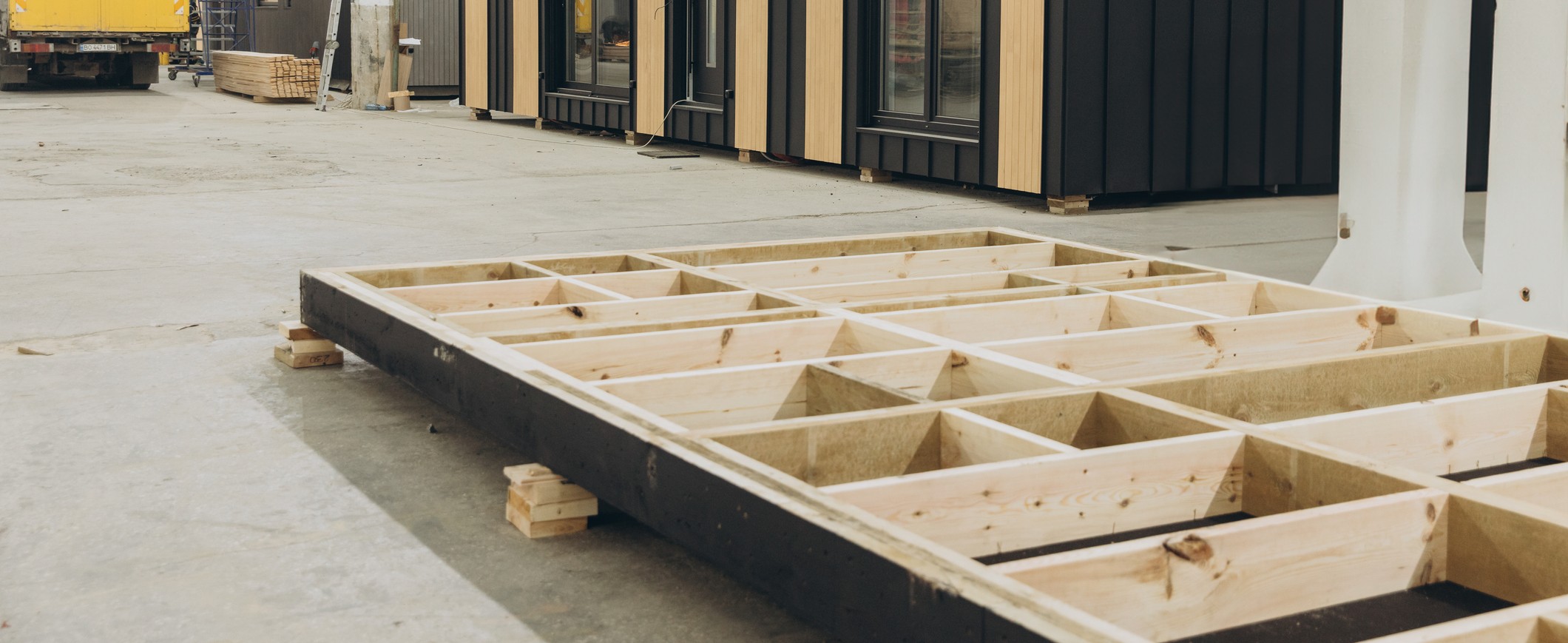
As construction markets continue to evolve, truss manufacturers are well positioned to expand into prefabrication. With deep expertise in engineered wood, controlled manufacturing environments, and supply-chain coordination, truss plants already have many of the foundational capabilities required for wall panels, floor cassettes, roof assemblies and even volumetric components.
However, moving from truss manufacturing into broader prefabrication is not simply a matter of adding equipment or additional floor space. It also introduces new operational, contractual, and insurance considerations that should be evaluated in the decision-making process.
Why Truss Plants are Exploring Prefabrication
Labour shortages, schedule compression, and rising site costs continue to push builders toward offsite solutions. Prefabrication offers;
- Improved quality control in a plant environment
- Faster project timelines and reduced site labour
- Greater certainty in pricing and scheduling
- Alignment with mass timber and hybrid construction trends
For truss plants, prefabrication can also mean higher value per project, deeper integration with builders, and a more resilient business model during cyclical downturns.
Operational Shifts that Change Risk Profiles
Expanding into prefabrication changes the nature of your operations, and insurers pay close attention to these shifts.
Key Changes Include:
- Product complexity: wall panels and floor cassettes often incorporate multiple materials, assemblies, and tolerances.
- Design Responsibilities: prefab may involve delegated design, shop drawings, or coordination with building envelopes and MEP systems.
- Storage and Transit Exposures: larger, more finished assemblies, increased susceptibility to moisture, handling damage, and transportation losses.
- Onsite Involvement: some prefabricators take on installation or field supervision, introducing construction/site risks.
Each of these factors can materially affect how your risk is viewed and insured.
Insurance Considerations before you add a Pre-Fab Line
Before expanding, truss plants should review their insurance program to ensure it reflects their future – not just their past.
- General liability: prefab components may be considered a higher line severity exposure than trusses alone, particularly if failure impacts building envelopes, fire performance, or occupant safety.
- Professional/Design Liability: If your scope includes engineering, delegated design, or performance specifications, professional liability coverage may be required – even if design is partially outsourced.
- Product vs. Completed Operations: Insurers will want clarity where manufacturing ends and construction begins. Blurred lines can create coverage gaps if not properly structured.
- Property and Equipment: Expanded fabrication often means higher values in stock, work in progress, and specialized equipment. Moisture control and fire protection become even more critical.
- Builder and Owner Expectations: Developers and GC’s, may impose higher insurance limits, additional insured requirements, or contractual risk transfer provisions for prefab suppliers.
-
Cyber Risk Exposures: A cyber incident such as ransomware, system outages, or compromised design files can halt production, delay deliveries, and create downstream contractual and reputational impacts. As fabrication becomes more technologically integrated, truss plants should consider how cyber risk intersects with property and operational exposures, and whether their insurance program adequately addresses business interruption, data integrity, and system recovery related to cyber events.
Risk Mitigation that Insurers Want to See
The good news – truss plants that approach prefabrication thoughtfully are often viewed favourably by insurers especially when risk controls are embedded early.
Best Practices Include:
- Clear scope definitions and contract language
- Robust quality assurance and documentation
- Moisture management protocols in plant and in transit
- Defined hand off points between fabrication and installation
- Strong coordination between engineering, production, and site teams
Early Engagement with Insurance and Risk advisors can help align these practices with underwriter expectations.
Planning for Sustainable Growth
Prefabrication represents a significant opportunity for truss manufacturers – but it is also a strategic shift that should be planned holistically. Operational readiness, contractual clarity, and insurance alignment all play a role in insuring that growth does not introduce unintended risk.
Truss plants that invest the time to assess these factors upfront are better positioned to scale successfully, partner with progressive builders, and participate in the next generation of industrialized construction.
Written by Connie Rowley, SVP of the Manufacturing Wood Products and Mass Timber Program at Woodsure/Axis Insurance Managers Inc.